

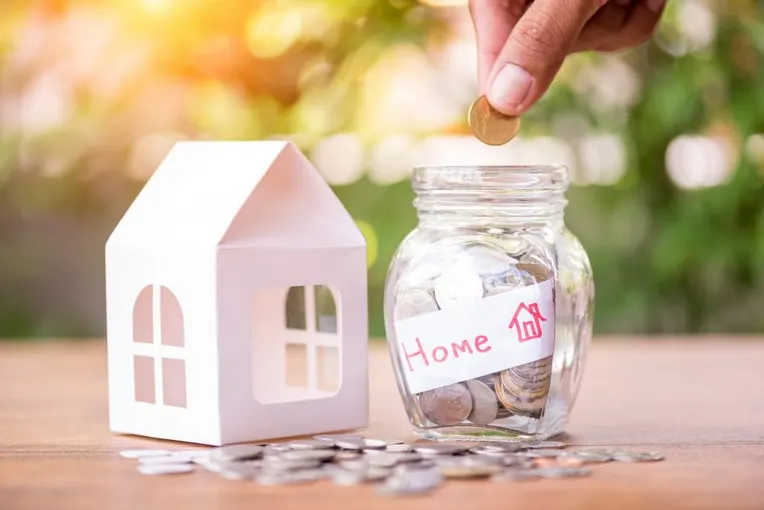
Purchasing your first home is one of the most significant financial decisions you will make. However, the path to homeownership requires not just finding the right property but also securing the necessary funds for a down payment. While saving for this large sum can feel overwhelming, there are practical strategies that can help you achieve your goal more efficiently. Below are some detailed tips on how to save for a down payment on your first home.
1. Set a Clear Savings Goal
Before you can begin saving, it is essential to understand how much you need. The down payment is typically one of the largest expenses when buying a home. The amount you need depends on the price of the home and the type of loan you are considering.
- Standard Down Payment Requirements
For most conventional loans, a down payment of 20% is standard. However, there are other types of loans available with lower down payment options. For example, Federal Housing Administration (FHA) loans often require only 3.5% down, and some lenders offer programs that require as little as 3%. While a larger down payment can save you money on interest and eliminate private mortgage insurance (PMI), a smaller down payment can still make homeownership more attainable in the short term. - Calculate the Amount
Once you have an idea of how much home you want to buy, use an online mortgage calculator or consult with a lender to determine the down payment amount. For example, on a $300,000 home, a 20% down payment would amount to $60,000. Knowing the exact number helps you create a focused plan for reaching your goal.
2. Create a Realistic Budget
With a clear savings target in mind, the next step is to assess your current financial situation and develop a realistic budget. This will help you understand how much you can save each month and whether you need to adjust your spending habits.
- Track Your Expenses
Start by tracking your monthly income and expenses. Use apps or spreadsheets to categorize your spending, and see where your money is going. Pay attention to non-essential expenses such as dining out, subscriptions, or impulse purchases. These are areas where you might be able to reduce spending to allocate more toward your down payment. - Cut Back Where Possible
Once you identify areas where you can reduce your spending, create a savings goal that fits within your budget. Even small changes can add up. For instance, cutting back on dining out or cancelling unused subscriptions can free up hundreds of dollars a month. These savings can then be funneled into your down payment fund.
3. Open a Dedicated Savings Account
Keeping your down payment savings separate from your regular checking account is an effective way to stay disciplined and avoid spending the money before you’re ready to use it.
- Use a High-Yield Savings Account
Look for a high-yield savings account that offers a higher interest rate than a standard savings account. Although interest rates may not be high, the extra few dollars earned can add up over time. The key is consistency—making regular deposits into this account will build your savings steadily. - Consider a Certificate of Deposit (CD)
If you have a specific timeline for purchasing your home, you may want to consider a Certificate of Deposit (CD) with a fixed interest rate. CDs typically offer higher interest rates than savings accounts, but your money is locked in for a set period. If you’re not planning to buy a home within the next year, a CD can be a great option for growing your savings.
4. Automate Your Savings
One of the most effective ways to ensure you consistently save for your down payment is to automate the process. Set up an automatic transfer from your checking account to your dedicated savings account on a weekly or bi-weekly basis.
- Set Up Automatic Transfers
Determine how much you can comfortably set aside each month for your down payment and automate the transfer. By doing this, you remove the temptation to spend the money elsewhere. Whether it’s $200 or $1,000, regular, automated contributions will help you make steady progress toward your goal. - Increase Your Contributions Over Time
As your income increases or expenses decrease, consider increasing the amount you save each month. For instance, when you receive a raise or tax refund, direct some or all of that extra income into your down payment savings account.
5. Explore Down Payment Assistance Programs
Many states, local governments, and even private organizations offer down payment assistance programs to help first-time homebuyers. These programs are designed to ease the financial burden and make homeownership more accessible.
- Research Available Programs
Check with your state or local housing authority to find out if you qualify for down payment assistance. These programs often have income limits, credit score requirements, and home price caps. Some may offer grants that do not need to be repaid, while others may provide loans with favorable terms. - Federal Programs for First-Time Buyers
In addition to local programs, there are federal programs available, such as the Federal Housing Administration (FHA) loans and Veterans Affairs (VA) loans, which provide opportunities for first-time buyers to secure a home with a smaller down payment. Research these programs thoroughly to see if they align with your financial situation.
6. Consider Temporary Side Hustles or Extra Income
If you’re looking to speed up your down payment savings, taking on extra work or starting a side hustle can provide a substantial boost to your savings.
- Freelance or Part-Time Jobs
Whether you have a specific skill like writing, graphic design, or photography, consider offering your services on platforms like Upwork or Fiverr. Alternatively, look for part-time or weekend jobs in your area that can provide additional income without overcommitting your time. - Sell Unused Items
Another way to increase your savings is by decluttering your home and selling unused items. From furniture to electronics, selling things you no longer need can give your down payment savings a quick boost. Platforms like eBay, Facebook Marketplace, and Poshmark make it easy to sell items locally or online.
7. Be Patient and Stay Focused
Saving for a down payment is often a marathon, not a sprint. It requires discipline, patience, and long-term commitment. While it can be tempting to make large purchases or take on additional debt, staying focused on your goal will help you achieve homeownership sooner.
- Track Your Progress
Stay motivated by tracking your savings progress. Celebrate small milestones along the way, and remind yourself why you are working toward this goal. The more you see how far you’ve come, the easier it will be to stay disciplined. - Adjust Your Timeline if Needed
If you find that saving the full down payment amount takes longer than expected, don’t be discouraged. Adjust your timeline, make small changes, and keep moving forward. Remember, every bit you save brings you one step closer to owning your own home.
Conclusion
Saving for a down payment on your first home is no small task, but with careful planning, discipline, and commitment, it is entirely achievable. By setting a clear goal, sticking to a budget, and using all available resources, you can make homeownership a reality. Keep your eyes on the prize, and with time and effort, you’ll be well on your way to securing your first home.
Comments are closed.